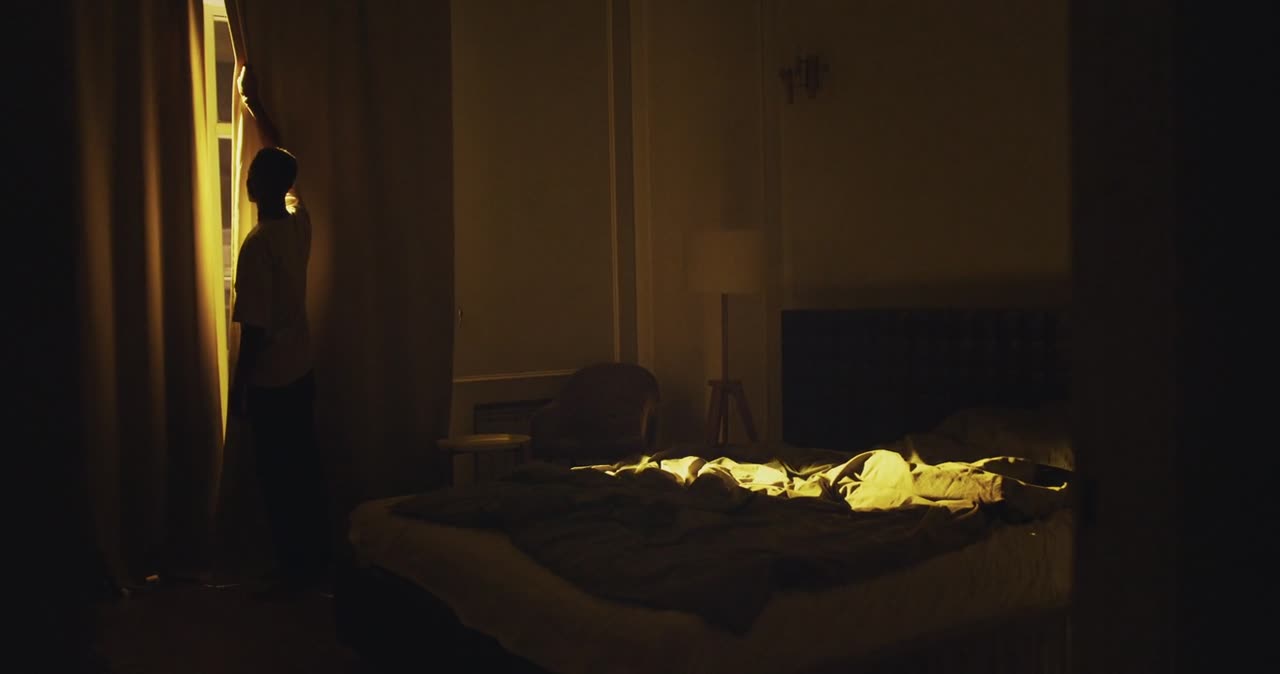
At this age the child is not the target. The household is — and the child is the thing that makes the household findable.
Do this now The single highest-value thing a family can do in these five years is decide, once and together, what they publish about a child who cannot yet consent.
Read the stage and watch the film →
The first tablet arrives, usually shared, usually for games. This is where a child first meets a stranger who wants something.
Do this now Teach the tell, not the fear. A child of seven can absolutely learn that “don’t tell your mum” is the signal — and a child who knows the tell will bring it to you.
Read the stage and watch the film →
The phone arrives. Social accounts arrive. And for the first time the child has a private channel an adult does not see.
Do this now Set the terms before the phone, not after. The settings conversation is easy on the day you hand over a phone they want, and hard eight months later.
Read the stage and watch the film →
The threat changes shape. It stops being someone trying to reach a child and starts being someone trying to get something from one.
Do this now Say the sentence out loud, now: “If someone ever has a photo of you, you come to me and you are not in trouble.” It is the whole defence, and it costs nothing.
Read the stage and watch the film →
In two years nobody will be protecting this person but themselves. The job stops being protection and starts being handover.
Do this now Wind the surveillance down on a date you name in advance. A protection system that ends the day a child leaves teaches them nothing; one that hands over gradually teaches them everything.
Read the stage and watch the film →